Your Independent Guide to Philippine Wildlife

Discover the animals, exhibits, and experiences that make the Philippines a standout destination for nature lovers and families alike.

Explore the Zoo
About This Guide

Everything You Need for Your Zoo Visit

Whether you are planning a first visit or returning for another adventure, this guide covers the exhibits, animals, and practical tips that matter most. From massive creatures like the elephant to tiny butterflies in the garden, the Philippines offers a wildlife experience for every age and interest.

This is an independent editorial resource. We are not affiliated with any zoo operator. Our goal is to help you get the most out of every exhibit and make informed decisions about your visit.

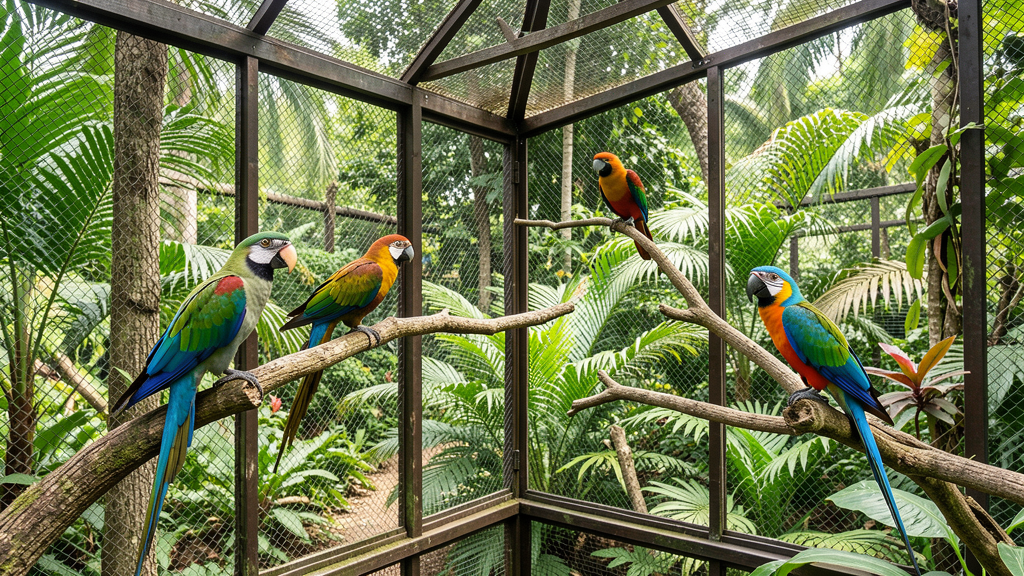
Tropical zoo aviary with colorful birds in lush green setting
Zoo Guide

Featured Exhibits and Areas

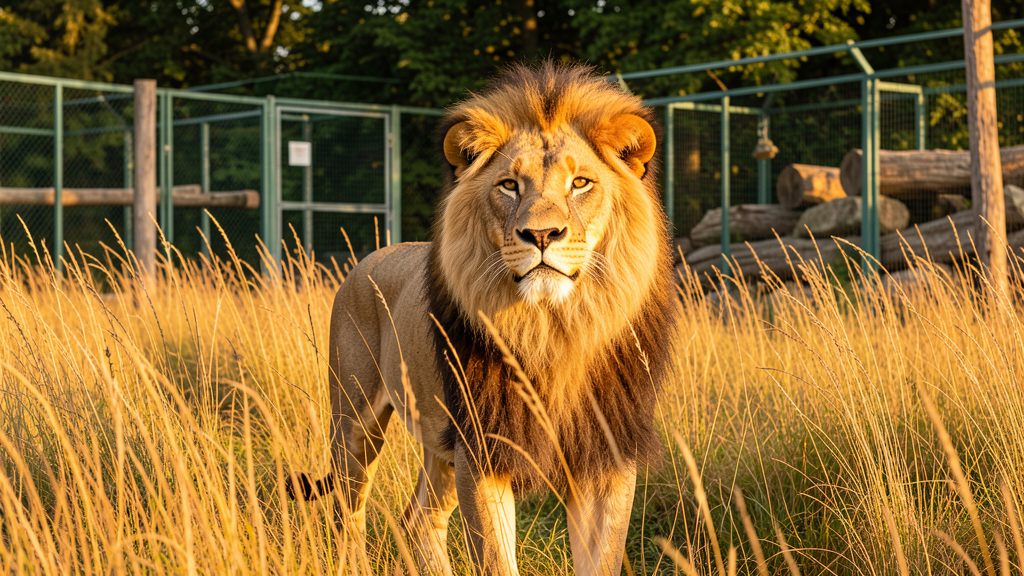
Majestic lion in golden grass habitat

The Big Cat Enclosure

The African lion habitat features a spacious outdoor area with rocky shelters and shaded resting spots. Visitors can observe the pride during feeding sessions, which are scheduled twice daily. The enclosure includes natural grass and elevated platforms that let the lions survey their territory just as they would in the wild. Morning visits tend to be more active as the animals start their day.

The big cat section also includes information boards explaining the conservation status of African lions and the zoo's participation in the Species Survival Plan. Educational talks run at 10:00 and 14:00 daily, hosted by keepers who have worked with the animals for several years. Children particularly enjoy the feeding enrichment activities, where the lions solve puzzle feeders to access their food.

Photography is permitted without flash. The best viewing angles are from the elevated walkway, which gives a slightly elevated perspective over the main enclosure. Allow about 30 minutes for a full visit to this area.
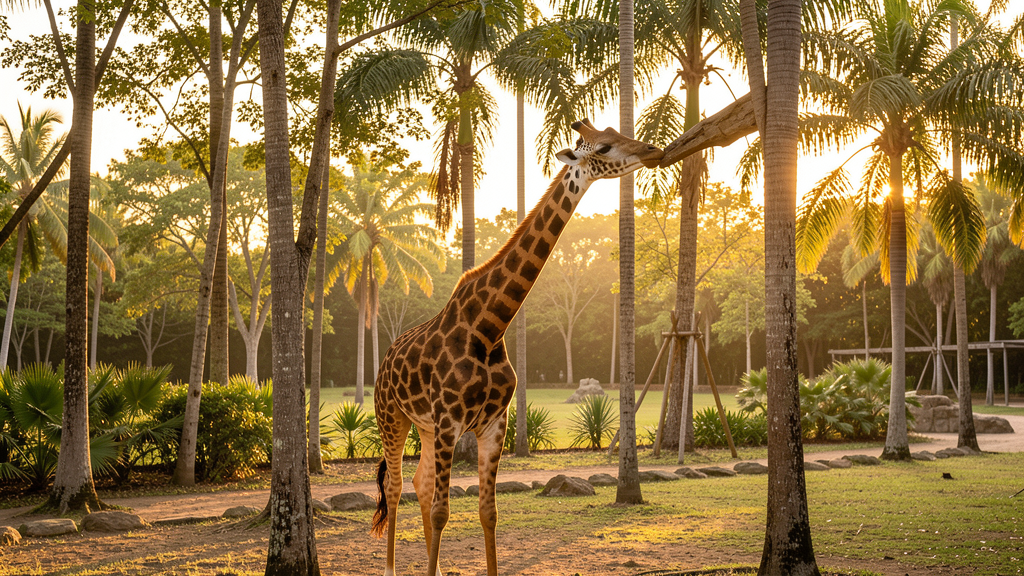
Giraffe feeding from tall trees in savanna area

The Giraffe Savannah

The giraffe savannah is one of the most photographed areas of the zoo. The tall feeding platforms let visitors hand-feed the giraffes under keeper supervision, an experience that draws families back year after year. The savannah is planted with acacia and other native trees that mirror the giraffe's natural African habitat.

Hand-feeding sessions are available from 09:00 to 11:30 and again from 13:30 to 16:00. Lettuce and leafy greens are sold at the feeding station near the entrance to this zone. The cost is minimal and the experience is genuinely memorable, especially for younger visitors who may have never been this close to such a large animal.

The savannah also houses reticulated giraffes alongside the Rothschild giraffes, giving visitors the chance to compare the distinct coat patterns of each subspecies. The keepers are always happy to answer questions about diet, social structure, and the challenges of giraffe conservation in the wild.

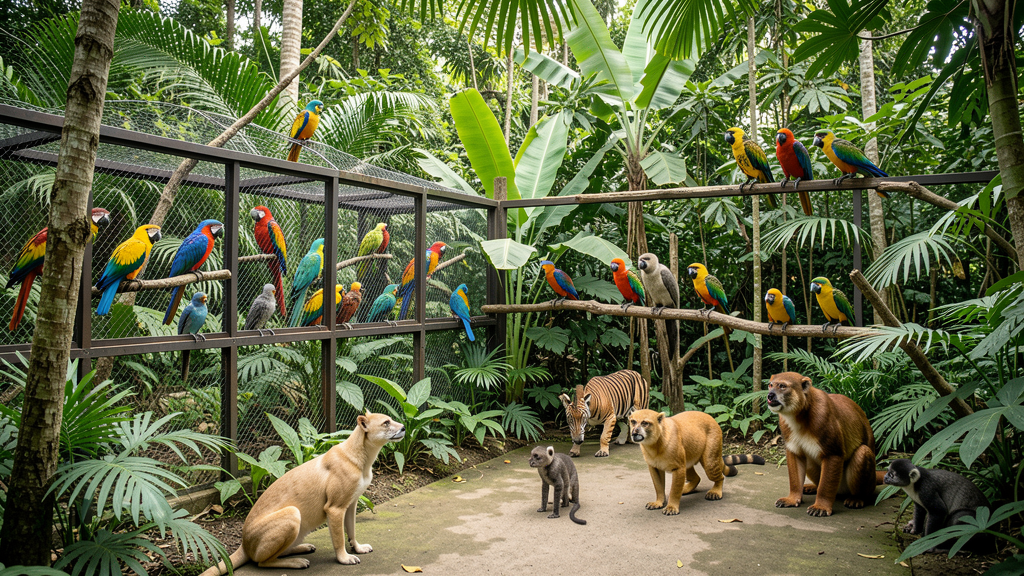
Colorful tropical birds in open aviary

The Tropical Aviary

Step into the walk-through aviary and you will be surrounded by dozens of free-flying tropical bird species. The Philippine eagle, several hornbill varieties, and vibrant kingfishers are just some of the species on display. The climate inside the aviary is kept warm and humid to match the birds' native environments.

The aviary is home to over 60 species, many of which are endemic to the Philippines. The Philippine eagle exhibit is particularly significant as it highlights one of the country's most endangered raptors. Guides are stationed throughout the aviary to help identify species and answer questions about breeding programs.

Quiet movement is rewarded here — the calmer you are, the more birds you will see active. The aviary opens at 09:00 and is busiest around midday. For the best bird activity, arrive right when the doors open. Photography is encouraged, though tripods are not permitted inside the walk-through area.

Elephant in shaded zoo enclosure with tropical vegetation

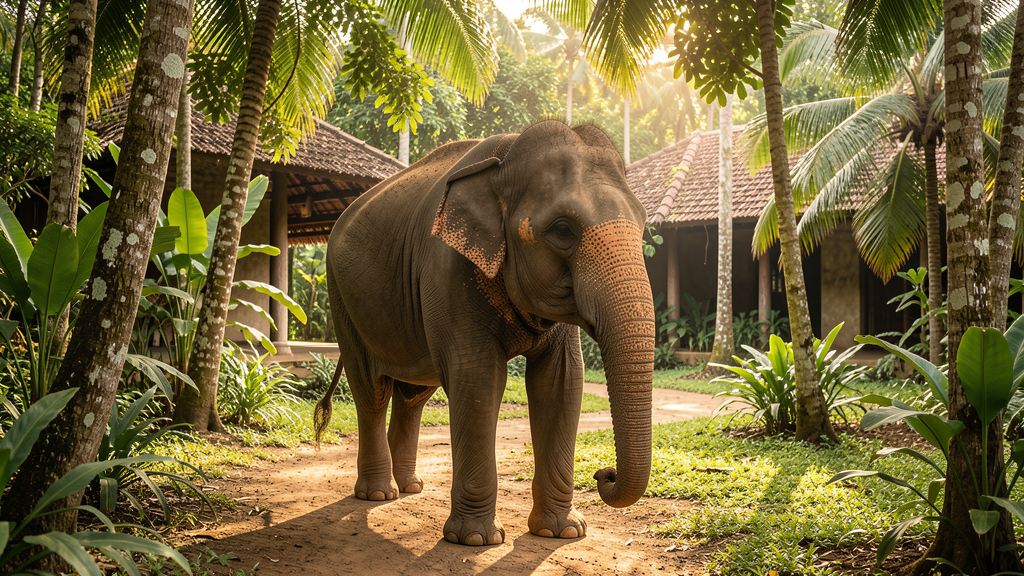
The Asian Elephant Habitat

The elephant habitat is designed around a large naturalistic paddock with a mud wallow, shaded areas, and an enrichment zone where keepers set up puzzle feeders and scent trails. The zoo is home to two adult Asian elephants, both acquired through rescue and rehabilitation programs.

Mud wallowing is encouraged as it serves both as enrichment and sun protection for the elephants' sensitive skin. Visitors can watch from elevated viewing platforms that give a full view of the paddock and the elephants' behaviour patterns. Keepers conduct a daily bath and training session at 11:00, which is open for visitors to observe.

The zoo's elephant welfare program is worth reading about on the information boards near the habitat entrance. It details the elephants' daily schedule, dietary requirements, and the enrichment activities used to keep them mentally stimulated. The program runs seven days a week and the elephants have access to both indoor and outdoor areas throughout the day.

Exotic reptiles in naturalistic terrarium display

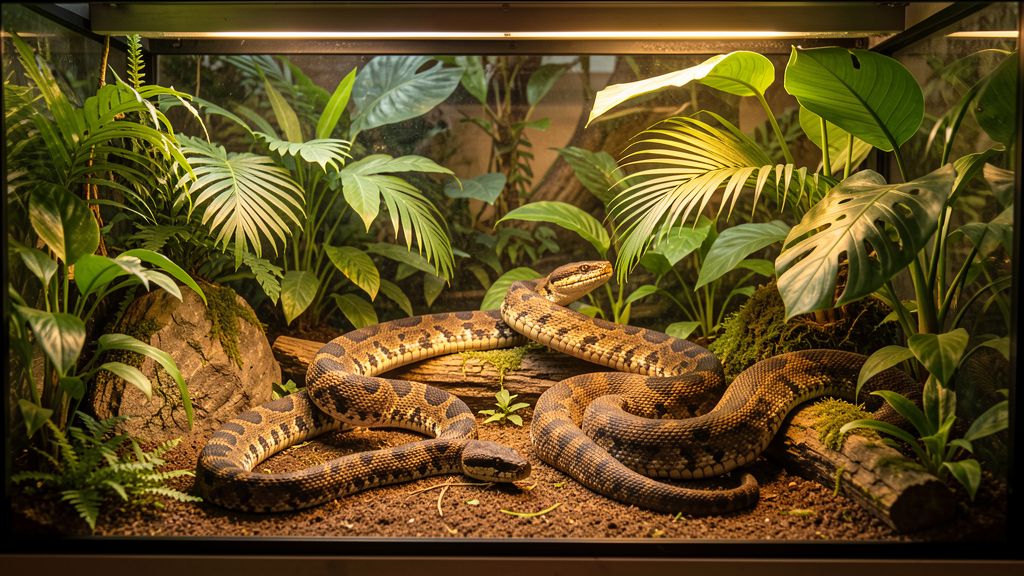
The Reptile House

The reptile house showcases some of the most impressive scaled residents in the collection, from large pythons to monitors and a variety of turtle species. Each enclosure is climate-controlled to replicate the native environment of its inhabitants, from tropical rainforest to dry savannah.

Of particular note is the reticulated python enclosure, which houses one of the longest snakes in the collection. The Reptile House also features a dedicated section for Philippine endemic reptile species, highlighting local biodiversity and conservation challenges. A new section for amphibian species opened recently, showcasing frogs and toads from across Southeast Asia.

The building is cooler than other outdoor areas, making it a welcome break during hot afternoons. Talks are given on weekends at 11:30 and 14:30. Visitors with younger children should note that some of the larger snake species can be intimidating — the reptile house includes a low-light section that some children find unsettling.

Colorful butterflies on tropical flowers in garden setting

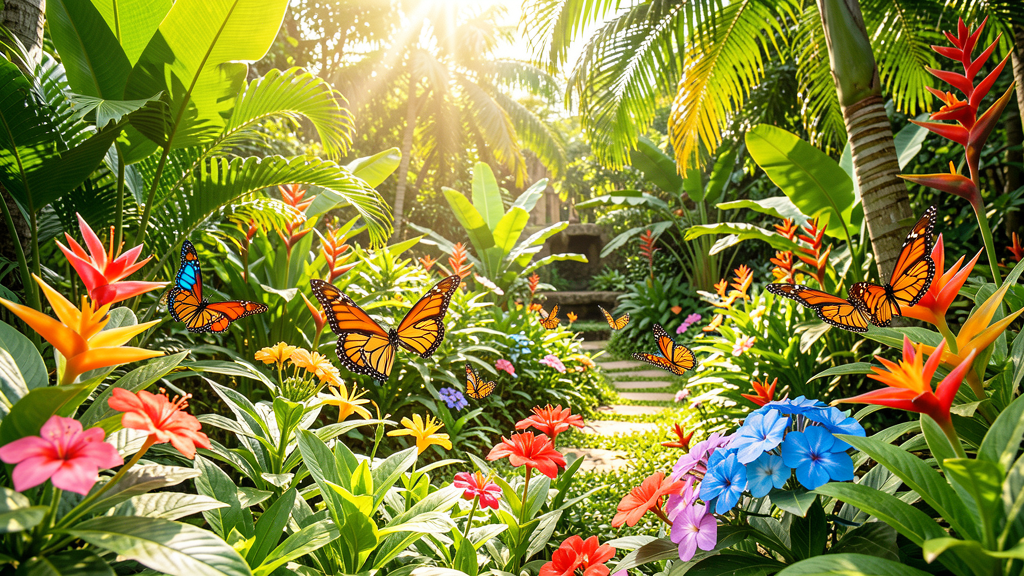
The Butterfly Garden

The butterfly garden is one of the most immersive exhibits in the zoo. Visitors walk through a netted enclosure filled with native tropical plants and hundreds of free-flying butterflies. The garden is planted with flowering species that provide nectar year-round, attracting both resident and migratory butterflies.

The butterfly species you will see change with the seasons, and the zoo maintains a calendar near the entrance. The most common species include the mango emperor, common sergeant, and painted Jezebel. Early morning is the best time to visit for close-up butterfly photography, as the insects are less active in the cooler hours and more likely to rest on flowers.

The garden also includes information panels about butterfly life cycles, host plants, and the role of pollination in Philippine ecosystems. Children enjoy the caterpillar-searching activity, where they can try to spot eggs and larvae on the underside of leaves with a magnifying glass provided at the entrance.

Underwater aquarium tunnel with tropical fish and marine life

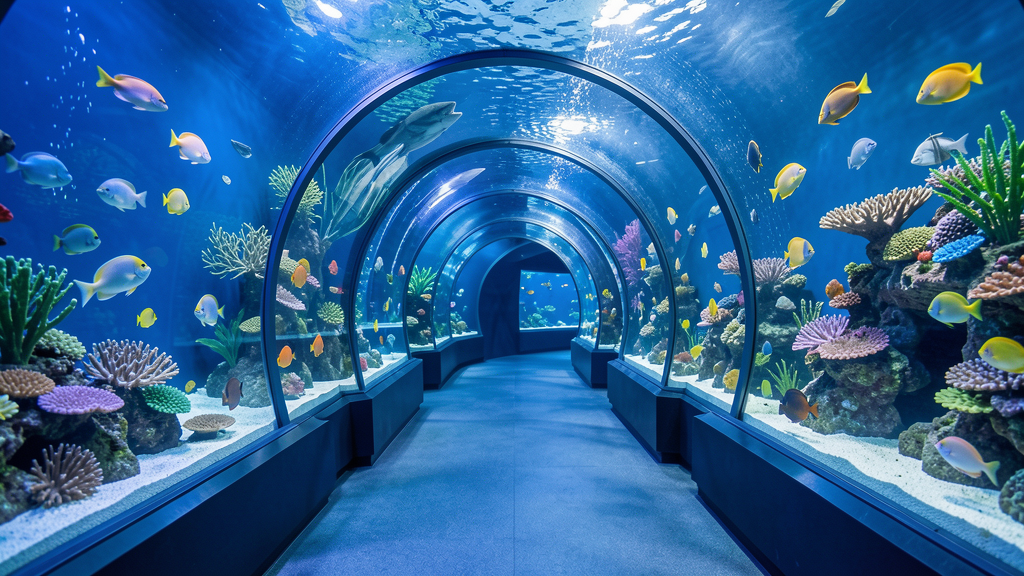
The Marine Aquarium

The aquarium section features a walk-through underwater tunnel that brings visitors face-to-face with sharks, rays, and hundreds of tropical fish species. The 30-metre tunnel is the centrepiece of the marine exhibit, offering a panoramic view of the underwater world without getting wet.

Feeding sessions take place at 12:00 and 15:30, when a diver enters the tank and the larger fish are hand-fed. This is the best time to see the sharks up close and to observe the complex social dynamics between the different species. The tank also houses sea turtles and a giant grouper that has lived in the collection for over a decade.

The surrounding gallery rooms cover coral reef ecosystems, deep-water species, and a dedicated Philippine seas section that highlights local marine biodiversity. An interactive touch pool allows children to handle harmless invertebrates such as sea stars and hermit crabs under supervision.

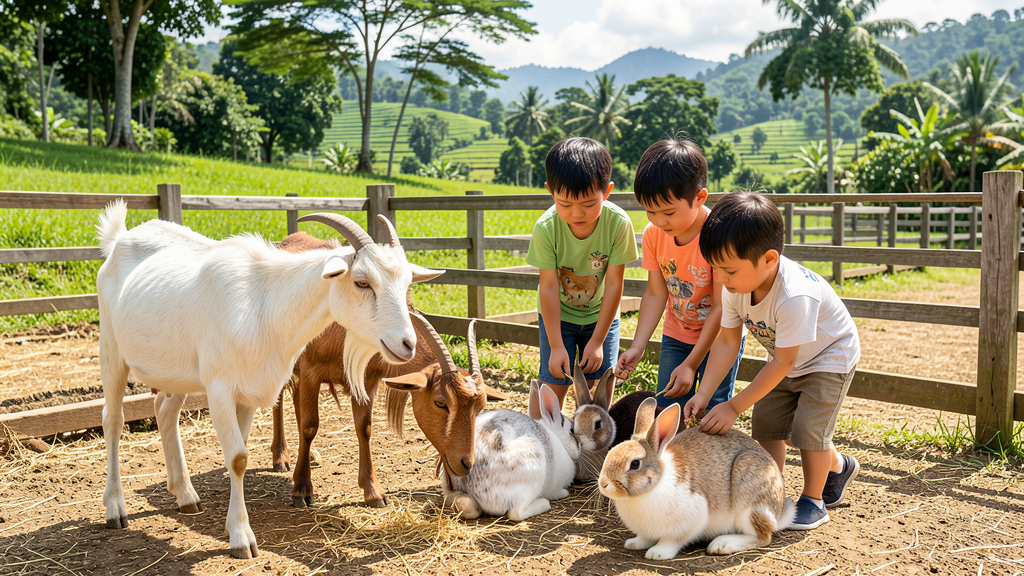
Children feeding farm animals at zoo petting corner

The Petting Corner

The petting corner is designed for families with young children. Gentle goats, rabbits, and ponies live in a shaded outdoor area where visitors can get close and offer treats. Staff are always present to supervise interactions and ensure both the animals and visitors remain comfortable.

Food pellets for the animals are available from a vending machine near the entrance to the petting area, priced at a small amount per bag. The goats and rabbits are particularly friendly and will approach the fence eagerly when they see visitors with food. The ponies are handled only by keepers — visitors can stroke them but not feed them directly.

There is a small shaded seating area for parents and caregivers to watch from nearby. The petting corner is cleaned and restocked twice daily to maintain hygiene standards. It is one of the most popular areas for visitors under six years old, and can get busy during school holidays.

Visitor Tips

Plan Your Visit Like a Pro

Arrive Early

Doors open at 8:30 AM and the first two hours offer the best animal activity. Most creatures are most active in the morning before the heat builds up.

Pick Up a Map

The zoo covers a large area with multiple zones. Collecting a map at the entrance helps you prioritise exhibits and plan rest stops around the site.

Book Feeding Sessions

Some experiences like giraffe feeding and elephant baths require advance booking or a ticket add-on. Check the schedule at the guest services desk before you start exploring.

Stay for Keeper Talks

Daily keeper talks at the lion, elephant, and bird sections offer insights into animal behaviour and conservation. The Q&A sections at the end are especially popular.

Seasonal Guide

When to Visit

March – May

Hot and Dry Season

  • Visit before 10 AM to avoid the midday heat
  • Bring sunscreen, a hat, and a refillable water bottle
  • Indoor exhibits like the reptile house offer welcome relief
  • Aquarium and aviary are more comfortable in peak heat
June – November

Wet Season

  • Rain showers are usually brief but intense — bring a poncho
  • Animals are often more active during and after rain
  • The petting corner and some outdoor areas may close temporarily
  • Smaller crowds on weekday mornings during this period
December – February

Peak Visitation Season

  • School holidays make weekends especially busy — go on a weekday
  • Milder temperatures make outdoor exploration most pleasant
  • Book accommodation and tickets in advance for holiday weekends
  • Special events and themed activities are often scheduled
Year-Round Highlights

Philippine Endemic Species

  • Philippine eagle and endemic hornbills are visible daily
  • Butterfly garden species vary by month — check the board at entry
  • Marine aquarium feeding sessions run every day regardless of season
  • Keeper talks run every day including public holidays
FAQ

Common Visitor Questions

The zoo is open from 8:30 AM to 5:00 PM daily, including weekends and public holidays. Last entry is at 4:00 PM. The reptile house and aquarium remain accessible later on weekends during peak season.

Yes, a flat parking fee applies for both motorbike and car. The car park is located directly in front of the main entrance and is supervised by security staff during operating hours. Designated accessible parking spaces are available near the entrance gate.

Small snacks and bottled water are permitted. Full meals and large coolers are not allowed inside the zoo grounds. There are several food stalls and a cafe within the site offering a range of options from quick snacks to full meals. All food outlets are located near the main hub and midway through the walking circuit.

The main pathways are paved and wheelchair accessible, with ramps at all major exhibit entrances. Wheelchairs are available to borrow at the guest services desk near the main entrance on a first-come first-served basis. An accessibility map is available at the entry point or can be requested from guest services.

Start with the aviary and marine aquarium when they open at 9:00 AM, then work your way through the mammal zones before the midday heat peaks. Reserve the indoor reptile house and butterfly garden for the hottest part of the day. The walking circuit is designed as a loop — following the path in order lets you cover everything without backtracking.

Paid lockers are available near the main entrance. Small lockers accommodate a backpack, while large lockers can hold a full-sized suitcase. Luggage storage is available for visitors arriving on early morning tours who want to explore the zoo before checking into their accommodation.